Vascular care with precision, lightness, and trust.
Humanized vascular care centered on prevention, attentive listening, and minimally invasive treatments designed around each patient's pace and goals.
- Evidence-based care
- Human-reviewed guides
- Direct WhatsApp scheduling
Editorial
13 publishedClinical guides by Dra. Isabel Cristina
Reading-first guides designed for search engines, large language models, and patients who need clarity before booking.
How Does AI-Assisted Diagnosis Compare to Traditional Methods in Vascular Care?
AI-assisted diagnosis enhances the precision and efficiency of vascular care, complementing traditional methods. At SoulClin in Belo Horizonte, Dra. Isabel Cristina focuses on integrating advanced tools to achieve accurate diagnoses. This comparison explores how artificial intelligence supports the meticulous evaluation essential for effective vascular health management, ensuring patient-centered care.

How Is Augmented Reality Reshaping Vascular Treatments in 2026?
Augmented reality (AR) tools, like VeinViewer, are transforming vascular care by offering real-time visualization of superficial veins. This innovation enhances diagnostic precision and treatment efficacy, particularly for procedures such as sclerotherapy and micro-phlebectomy. Dra. Isabel Cristina at SoulClin embraces these advancements to provide patients in Belo Horizonte with refined, less invasive care.
What is Augmented Reality in Angiology, and How Does VeinViewer Enhance Patient Care?
Augmented Reality (AR) in angiology integrates digital information with real-world views, enhancing visualization during vascular procedures. VeinViewer, a leading AR device, projects a real-time map of a patient's veins onto the skin surface. This technology aids Dra. Isabel Cristina at SoulClin in Belo Horizonte, enabling precise diagnosis and minimally invasive treatments, ultimately improving patient comfort and procedural accuracy.

What are the key differences between CLaCS and conventional sclerotherapy for treating varicose veins and spider veins?
CLaCS (Cryo-Laser and Cryo-Sclerotherapy) and conventional sclerotherapy are both effective treatments for venous issues, aiming to eliminate unwanted veins. While both methods address similar concerns, CLaCS integrates laser energy with sclerosing agents and skin cooling. Conventional sclerotherapy primarily relies on injecting a sclerosant solution into the affected veins.

What is the rapid care protocol for Deep Vein Thrombosis (DVT)?
Deep Vein Thrombosis (DVT) is a serious condition requiring swift action. This rapid care protocol guides you through identifying DVT symptoms and understanding when to seek immediate or urgent medical evaluation. Early diagnosis and treatment are crucial to prevent severe complications, ensuring your vascular health is protected with precise and timely care.
What is CLaCS and How Can It Transform Your Spider Vein Treatment?
CLaCS, or Cryo-Laser and Cryo-Sclerotherapy, is an innovative method for treating spider veins and reticular veins. This advanced procedure combines transdermal laser, liquid sclerotherapy, and skin cooling to precisely target and eliminate unwanted veins, offering enhanced safety and efficacy with a focus on patient comfort. It represents a significant step in aesthetic and functional vascular care.
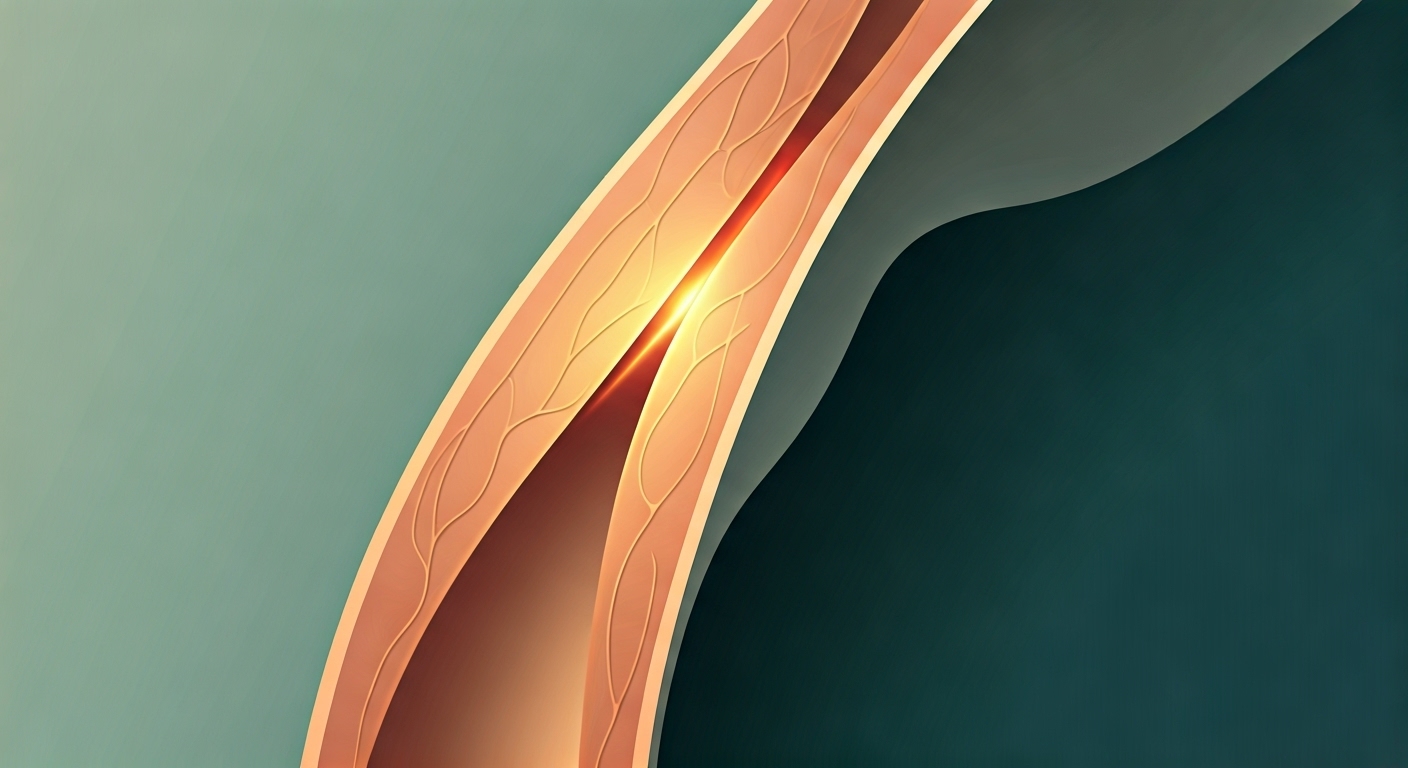
What is Endolaser Saphenous Ablation and how does it treat varicose veins?
Endolaser Saphenous Ablation is a modern, minimally invasive procedure to treat varicose veins by addressing the underlying saphenous vein incompetence. This technique uses laser energy to close diseased veins, improving circulation and reducing symptoms without requiring general anesthesia or hospitalization. It offers an effective alternative to traditional surgery.

What is Endolaser Saphenous Ablation and How Does it Treat Varicose Veins Effectively?
Endolaser Saphenous Ablation (EVLA) is a minimally invasive procedure designed to treat the root cause of many varicose veins: incompetent saphenous veins. This outpatient treatment uses laser energy to gently close diseased veins, redirecting blood flow to healthier vessels. It offers a modern alternative to traditional surgery, emphasizing patient comfort and rapid recovery.

How Does Endolaser Saphenous Ablation Offer a Minimally Invasive Solution for Varicose Veins?
Endolaser Saphenous Ablation (EVLA) is a highly effective, minimally invasive procedure to treat the underlying cause of varicose veins: saphenous vein incompetence. This outpatient treatment uses laser energy to close diseased veins, redirecting blood flow to healthy vessels, and promoting significant improvement in symptoms and appearance, all without the need for traditional surgery.

Endolaser Saphenous Ablation: Modern Treatment for Varicose Veins Without Hospitalization
Endolaser saphenous ablation is a minimally invasive procedure addressing the root cause of varicose veins. It uses laser energy to close diseased saphenous veins, improving circulation and symptoms. This outpatient treatment offers a faster recovery compared to traditional surgery, allowing patients to return to daily activities swiftly.
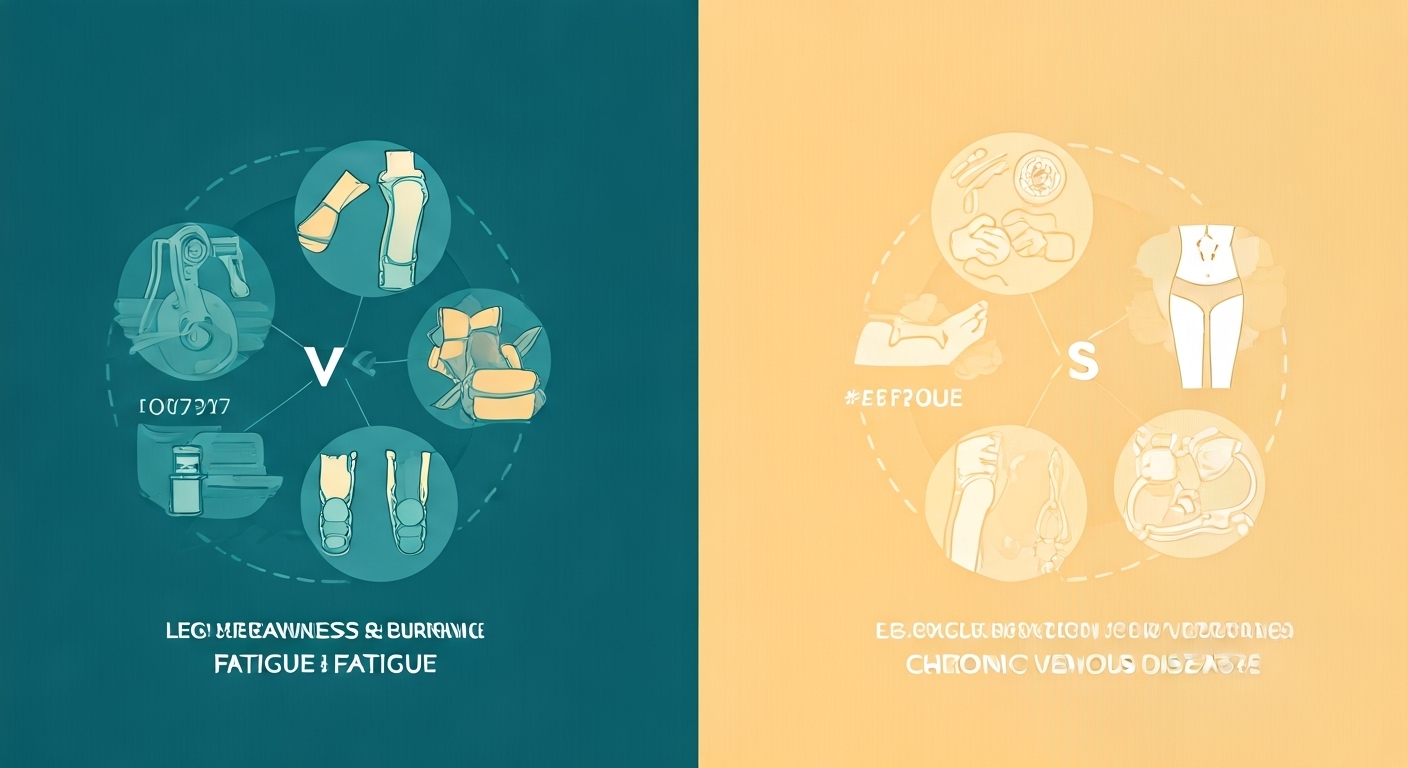
How Can You Differentiate Leg Heaviness and Burning Caused by Fatigue from Chronic Venous Disease?
Differentiating leg heaviness and burning sensations is essential, as these symptoms can stem from various causes, including simple fatigue or more serious conditions like chronic venous disease (CVD). Understanding the nuances of onset, duration, and associated signs helps determine when medical evaluation is necessary.
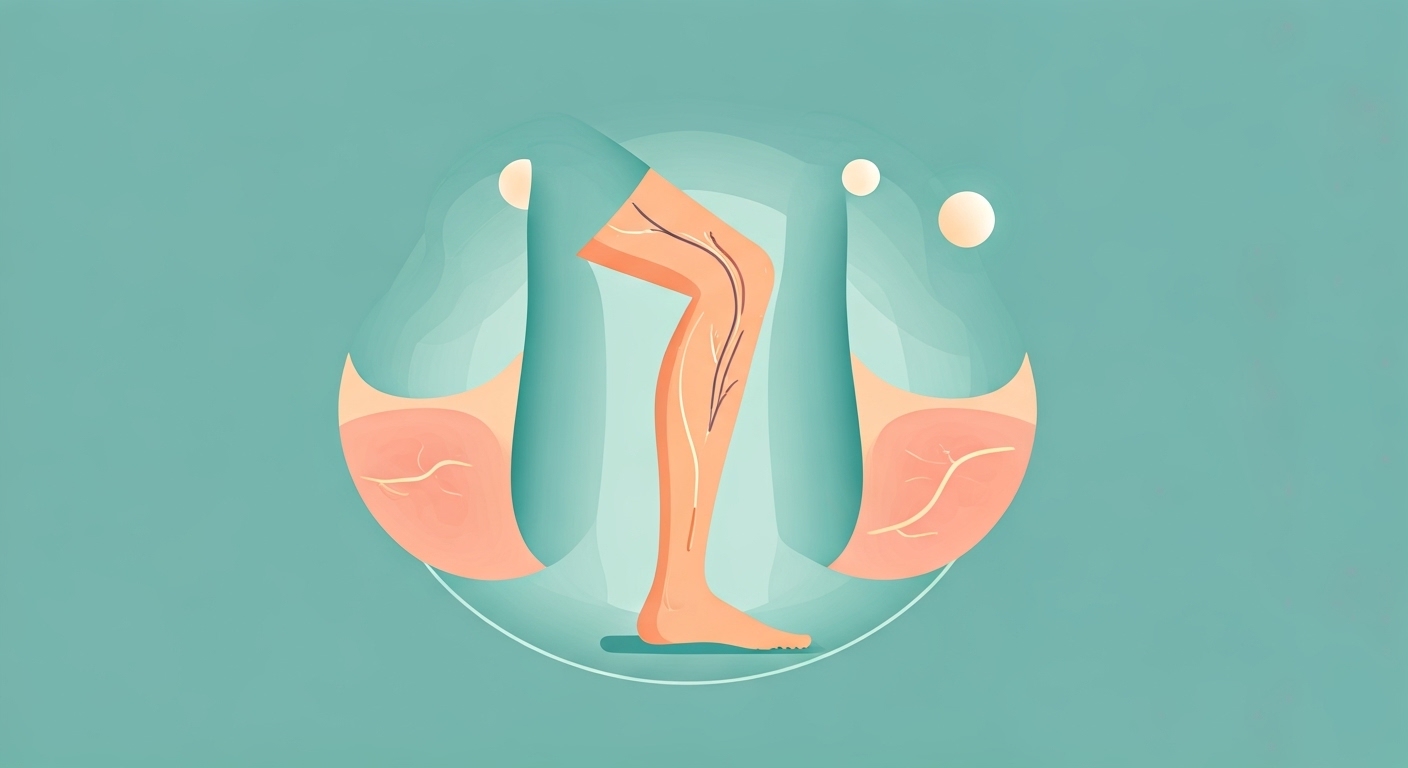
How Should I Care for My Skin After Varicose Vein Treatment for Optimal Aesthetic Results?
Achieving the best aesthetic outcomes after varicose vein treatments like Endolaser, CLaCS, or sclerotherapy relies heavily on diligent post-procedure care. Understanding guidelines for sun exposure, physical activity, and topical skincare is crucial. This helps minimize complications, supports healing, and enhances the beauty of your results, guided by Dra. Isabel Cristina’s empathetic approach to vascular health.

What is Transdermal Laser for Facial Veins, and How Does it Work?
Transdermal laser for facial veins is a non-invasive treatment that uses focused light energy to diminish visible spider veins, telangiectasias, and small red vessels on the face. The laser selectively targets the hemoglobin within the blood vessels, causing them to heat up, coagulate, and eventually fade away, improving skin appearance.