What is Endolaser Saphenous Ablation and how does it treat varicose veins?
Endolaser Saphenous Ablation is a modern, minimally invasive procedure to treat varicose veins by addressing the underlying saphenous vein incompetence. This technique uses laser energy to close diseased veins, improving circulation and reducing symptoms without requiring general anesthesia or hospitalization. It offers an effective alternative to traditional surgery.
Medically Reviewed by Dra. Isabel Cristina
What causes varicose veins and saphenous vein problems?
Resumo: Varicose veins often arise from chronic venous insufficiency (CVI), a condition where leg veins struggle to return blood to the heart efficiently. This typically occurs due to incompetent venous valves, leading to blood pooling and increased pressure in the lower extremities. Understanding this root cause is crucial for effective treatment.
Chronic venous insufficiency (CVI) affects a significant portion of the population. It impacts approximately 25-40% of women and 10-20% of men globally. When the valves within the leg veins weaken or fail, blood flows backward, a condition known as reflux. This reflux causes blood to accumulate, leading to increased pressure within the veins. Over time, this pressure can stretch the vein walls, making them visible and tortuous, which we recognize as varicose veins.
The CEAP classification system helps medical professionals categorize the severity of venous disorders. Varicose veins are typically classified as C2, meaning visible and palpable enlarged veins. Dra. Isabel Cristina at SoulClin focuses on precise diagnosis using advanced techniques like vascular Doppler ultrasound to identify the exact source of the problem, ensuring a tailored treatment plan.
Addressing the underlying saphenous vein incompetence, often the primary source of reflux, is key to preventing recurrence and alleviating symptoms effectively. This approach aligns with Dra. Isabel Cristina's philosophy of targeted, minimally invasive care.
How does Endolaser Saphenous Ablation work to close diseased veins?
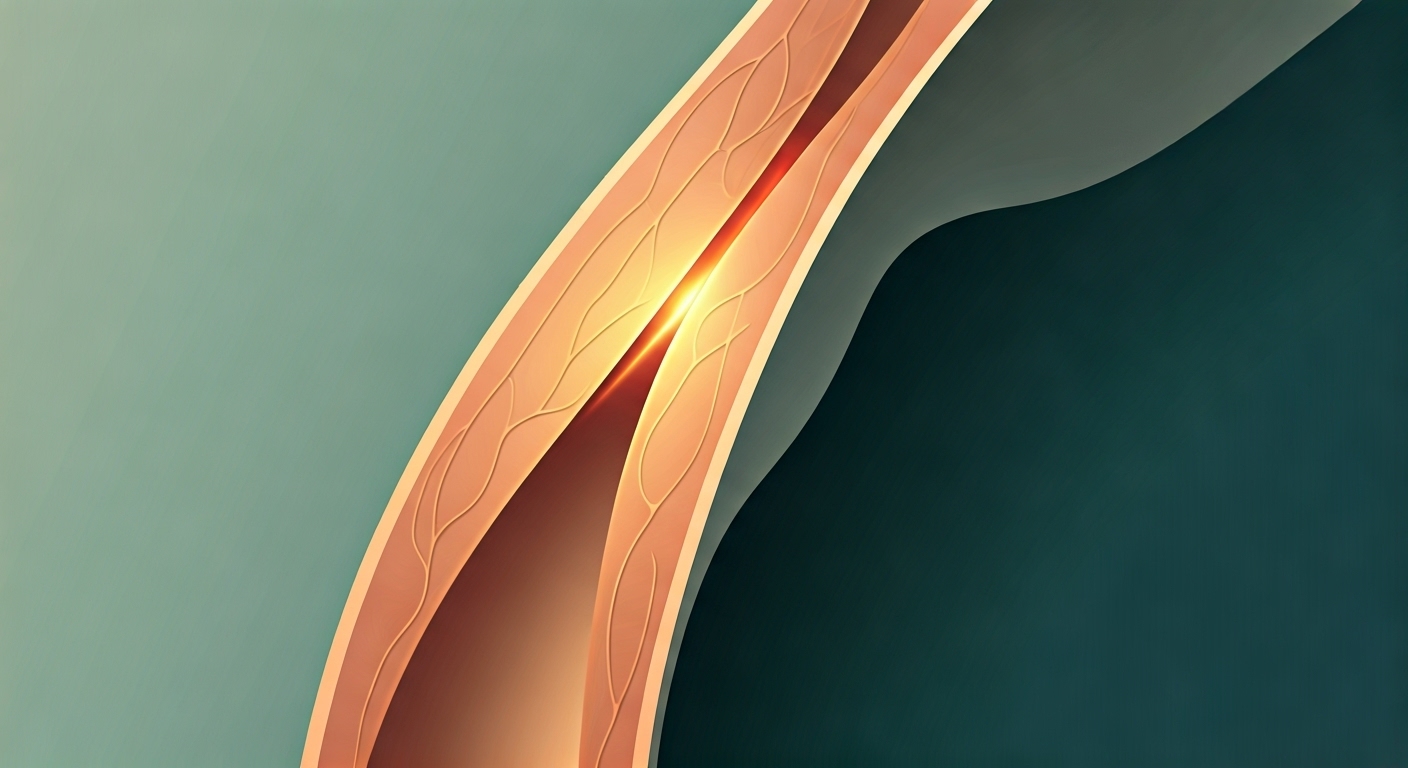
Resumo: Endolaser Saphenous Ablation, also known as Endovenous Laser Ablation (EVLA), utilizes focused laser energy to gently close incompetent saphenous veins. A thin laser fiber is inserted into the vein under ultrasound guidance. The laser's heat causes the vein wall to contract and seal shut, redirecting blood flow to healthier veins. This process effectively eliminates the source of reflux.
The Endolaser procedure is performed on an outpatient basis, typically under local anesthesia. After numbing the area, Dra. Isabel Cristina makes a tiny incision, usually less than 2mm, through which a thin laser fiber is guided into the affected saphenous vein. Real-time ultrasound imaging ensures precise placement of the fiber.
As the laser fiber is slowly withdrawn, it emits controlled laser energy. This energy heats the vein wall, causing it to collapse and permanently seal. Once the diseased vein is closed, the body naturally reroutes blood through healthy, functional veins. This restores efficient blood flow and reduces the symptoms associated with venous insufficiency. The procedure is quick, often completed within an hour, allowing patients to return home the same day.
What are the key benefits of choosing Endolaser for varicose vein treatment?
Resumo: Endolaser offers significant advantages over traditional surgical methods. It is a minimally invasive procedure, meaning smaller incisions and reduced scarring. Patients experience less pain and a faster recovery period. High occlusion rates, often above 95% at five years, demonstrate its long-term effectiveness. Furthermore, it avoids the need for general anesthesia or hospitalization.
The benefits of Endolaser Saphenous Ablation make it a preferred choice for many patients and vascular specialists. According to ESC 2022 guidelines, endovenous thermal ablation is recommended as a first-line treatment for great saphenous vein incompetence. This endorsement is due to its proven efficacy and favorable patient outcomes.
Key advantages include:
- Minimally Invasive: Requires only a small puncture, resulting in minimal scarring.
- Outpatient Procedure: Performed in the clinic, eliminating the need for hospital stays.
- Local Anesthesia: Avoids the risks associated with general anesthesia.
- Rapid Recovery: Most patients can resume normal activities within a day or two.
- High Success Rates: Long-term studies show excellent vein closure rates, reducing the likelihood of recurrence from the treated vein.
- Reduced Pain: Patients typically report less post-operative pain compared to traditional stripping surgery.
These factors contribute to a more comfortable and convenient treatment experience, aligning with Dra. Isabel Cristina's commitment to promoting vascular health with lightness and confidence.
Who is a suitable candidate for Endolaser Saphenous Ablation?
Resumo: Candidates for Endolaser typically present with symptomatic varicose veins caused by saphenous vein reflux. Symptoms may include leg pain, swelling, heaviness, cramping, or skin changes. A thorough vascular Doppler ultrasound examination is essential to confirm saphenous vein incompetence and determine the suitability of Endolaser. Dra. Isabel Cristina provides personalized assessments for each patient.
The primary indication for Endolaser Saphenous Ablation is the presence of an incompetent great or small saphenous vein, which is confirmed through a detailed vascular ultrasound. Patients often experience a range of symptoms related to their varicose veins, including:
- Aching or throbbing pain in the legs
- Leg fatigue or heaviness, especially after standing for long periods
- Swelling in the ankles or feet
- Night cramps
- Itching or burning sensations
- Skin discoloration (pigmentation) or thickening (lipodermatosclerosis), classified as C4a or C4b in the CEAP system
During your consultation at SoulClin, Dra. Isabel Cristina will conduct a comprehensive evaluation, including a physical examination and a vascular Doppler ultrasound. This detailed assessment allows for a precise diagnosis and helps determine if Endolaser is the most appropriate and effective treatment option for your specific condition. Her empathetic approach ensures that all patient concerns are heard and addressed.
What can patients expect during the Endolaser procedure?
Resumo: Patients can expect a comfortable experience during their Endolaser procedure at SoulClin. The process involves local anesthesia to numb the treatment area. A tiny incision allows for the insertion of the laser fiber, guided by ultrasound. The procedure is typically quick, lasting less than an hour, with minimal discomfort. Dra. Isabel Cristina ensures clear communication throughout.
Preparation for the Endolaser procedure is straightforward. You will typically be asked to avoid certain medications, like blood thinners, for a few days prior. On the day of the procedure, you'll arrive at SoulClin, where Dra. Isabel Cristina and her team will prepare the treatment area.
Here’s a general overview of the steps:
- Numbing: Local anesthetic is injected along the length of the saphenous vein to be treated. This ensures you remain comfortable and pain-free during the ablation.
- Access: A small needle is used to gain access to the vein, followed by the insertion of a catheter and the laser fiber.
- Laser Activation: Under continuous ultrasound guidance, the laser fiber is slowly activated and withdrawn. The heat generated by the laser seals the vein.
- Compression: After the fiber is removed, a compression stocking is immediately applied to the leg. This helps to reduce swelling and promote healing.
The entire process is designed for patient comfort and efficiency, allowing you to return home shortly after completion. Dra. Isabel Cristina's careful attention to detail ensures a smooth procedure.
What is the recovery process like after Endolaser Saphenous Ablation?
Resumo: Recovery after Endolaser is generally swift, allowing most patients to resume light activities immediately. Compression stockings are worn for a period to aid healing and reduce swelling. Mild bruising or discomfort is common but typically manageable with over-the-counter pain relievers. Follow-up appointments with Dra. Isabel Cristina ensure proper healing and address any concerns.
One of the significant advantages of Endolaser is its quick recovery time. Patients are encouraged to walk immediately after the procedure to promote circulation and prevent complications. While you can typically return to most normal activities within a day or two, strenuous exercise and heavy lifting should be avoided for about a week.
Key aspects of post-procedure care include:
- Compression Stockings: Wearing compression stockings as advised by Dra. Isabel Cristina is crucial for optimal healing and to minimize swelling.
- Activity: Regular walking is highly recommended. Avoid prolonged sitting or standing.
- Discomfort Management: Any mild pain or tenderness can usually be managed with acetaminophen or ibuprofen.
- Follow-up: An ultrasound examination is typically performed within a week to confirm the successful closure of the treated vein and assess the overall recovery.
Dra. Isabel Cristina provides clear, personalized post-operative instructions, ensuring you feel confident and supported throughout your recovery journey. Her focus on communication ensures that patients understand each step.
Are there any risks or potential complications associated with Endolaser?
Resumo: Endolaser Saphenous Ablation is a very safe procedure, but like all medical interventions, it carries minimal risks. Potential, though rare, complications include temporary numbness, minor bruising, or skin discoloration. More serious complications such as deep vein thrombosis are exceedingly rare. Dra. Isabel Cristina takes every precaution to ensure patient safety and minimize adverse events.
While Endolaser is considered a safe and effective treatment, it is important to be aware of the possible, albeit rare, risks:
- Bruising and Swelling: Common at the treatment site, usually resolving within a few weeks.
- Temporary Numbness: May occur if small sensory nerves near the treated vein are affected, often resolving over time.
- Skin Discoloration: Pigmentation changes along the treated vein can occur but usually fade.
- Phlebitis: Inflammation of other superficial veins can sometimes happen, managed with anti-inflammatory medication.
- Deep Vein Thrombosis (DVT): An extremely rare complication, minimized by encouraging immediate post-procedure walking and compression therapy.
- Skin Burn: Very rare, prevented by careful technique and tumescent anesthesia.
Dra. Isabel Cristina's extensive experience and meticulous approach at SoulClin help to minimize these risks. She prioritizes patient safety and provides detailed information about potential complications, ensuring you are fully informed and comfortable with your treatment decision.
How does Endolaser compare to traditional varicose vein surgery?
Resumo: Endolaser Saphenous Ablation is a modern alternative to traditional surgical stripping for varicose veins. Traditional surgery involves physically removing the diseased vein, requiring larger incisions, general anesthesia, and longer recovery. Endolaser, conversely, is minimally invasive, performed with local anesthesia, and boasts a quicker return to daily activities, marking a significant advancement in vascular care.
For decades, the standard treatment for saphenous vein incompetence was surgical stripping. This procedure involved making an incision in the groin and another near the ankle or knee, then physically pulling the diseased saphenous vein out of the leg. While effective, it was associated with:
- Larger incisions and more prominent scarring
- The need for general anesthesia
- Greater post-operative pain and bruising
- A longer recovery period, often several weeks
- A higher risk of nerve damage
Endolaser has largely replaced surgical stripping due to its superior patient experience and comparable or better outcomes. It represents a shift towards less aggressive, more targeted treatments that reduce patient discomfort and accelerate recovery. Dra. Isabel Cristina emphasizes minimally invasive options that promote health with lightness and elegance, aligning with the benefits offered by Endolaser.
Frequently Asked Questions
Is Endolaser painful?
Endolaser Saphenous Ablation is performed under local anesthesia, ensuring the treatment area is numb. Patients typically report feeling minimal discomfort during the procedure itself, often described as a mild pressure. Any post-procedure pain is usually manageable with over-the-counter pain relievers and resolves quickly. Dra. Isabel Cristina prioritizes patient comfort throughout the process.
How long does the Endolaser procedure take?
The Endolaser Saphenous Ablation procedure is relatively quick. Typically, it takes about 45 to 60 minutes to complete for one leg. This includes preparation, the application of local anesthesia, and the laser treatment itself. Its efficiency contributes to its outpatient nature, allowing patients to return home shortly after. Dra. Isabel Cristina ensures a streamlined and effective process.
When can I return to work after Endolaser?
Most patients can return to work and light daily activities within one to two days after Endolaser Saphenous Ablation. The exact timing depends on the nature of your job and individual recovery. Dra. Isabel Cristina recommends avoiding strenuous activities for about a week. Walking is encouraged immediately to aid recovery and prevent complications. Her clear guidance supports a swift return to routine.
Do I need to wear compression stockings after Endolaser?
Yes, wearing compression stockings is a crucial part of the post-procedure care after Endolaser Saphenous Ablation. They help reduce swelling, support the treated vein, and improve blood circulation. Dra. Isabel Cristina will provide specific instructions on how long and when to wear them, typically for a few weeks, to ensure optimal healing and comfort.
Will my varicose veins come back after Endolaser?
Endolaser Saphenous Ablation has very high success rates, with vein occlusion rates often exceeding 95% at five years. While the treated vein is permanently closed, new varicose veins can sometimes develop in other areas over time due to the progressive nature of venous disease. Regular follow-ups with Dra. Isabel Cristina help monitor vascular health and address any new concerns promptly.
Is Endolaser covered by health insurance?
The coverage for Endolaser Saphenous Ablation by health insurance plans can vary significantly. It is generally considered a medical necessity when symptoms are present and saphenous reflux is confirmed. SoulClin can assist with understanding your specific plan's benefits and pre-authorization requirements. Dra. Isabel Cristina's team provides clear guidance on these administrative aspects.
What is the difference between Endolaser and foam sclerotherapy?
Endolaser Saphenous Ablation primarily treats larger, incompetent saphenous veins by closing them with laser heat. Foam sclerotherapy, on the other hand, involves injecting a chemical foam into varicose veins or telangiectasias to irritate and close them. Both are effective, but Endolaser targets the main source of reflux, while foam sclerotherapy is often used for smaller veins or as an adjunct treatment. Dra. Isabel Cristina determines the best approach for each patient.
Can Endolaser treat all types of varicose veins?
Endolaser Saphenous Ablation is highly effective for treating varicose veins caused by incompetence of the great or small saphenous veins. It targets the underlying reflux, which is the root cause for many visible varicose veins. However, smaller varicose veins or spider veins may require additional treatments, such as foam sclerotherapy or CLaCS, to achieve optimal aesthetic and functional results. Dra. Isabel Cristina develops a comprehensive treatment plan.
What happens to the treated vein after Endolaser?
After Endolaser Saphenous Ablation, the treated saphenous vein collapses and is sealed shut by the laser energy. Over time, the body naturally absorbs the closed vein, and it becomes scar tissue. Blood flow is then rerouted to healthier, functional veins, improving overall circulation. This natural process ensures the permanent elimination of the diseased vein. Dra. Isabel Cristina monitors this process during follow-up.
How long do the results of Endolaser last?
The results of Endolaser Saphenous Ablation are considered long-lasting and often permanent for the treated vein. Studies consistently show very high success rates, with the ablated vein remaining closed in over 95% of cases after five years. While new varicose veins can develop elsewhere due to genetic predisposition or lifestyle factors, the treated segment is effectively eliminated. Dra. Isabel Cristina focuses on durable outcomes.